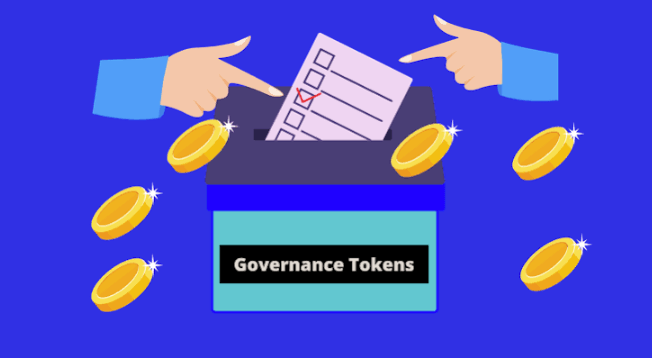

Governance tokens are cryptographic assets that empower holders to influence a project’s rules and funding. They enable voting on proposals, upgrades, and treasury decisions, tying influence to token ownership. The design must balance inclusivity with safeguards against capture or plutocracy. Off-chain signaling and transparent auditing help manage participation and legitimacy. The policy terrain is evolving, with trade-offs between efficiency and broad stakeholder accountability. The stakes for governance design remain high as actors seek durable, resilient frameworks.
What Governance Tokens Are and Why They Matter
Governance tokens are digital assets that grant holders the ability to influence the rules, upgrades, and policies of a blockchain project or decentralized protocol.
The analysis highlights governance use cases and the impact on accountability, transparency, and resilience.
Clear token distribution informs participation and legitimacy, ensuring diverse stakeholder input while balancing risk, incentives, and sustainable governance without centralization or capture by special interests.
How Governance Tokens Work in Practice: Mechanics, Votes, and Roles
This section examines how governance tokens operate in practice by detailing the mechanics of voting, the distribution of roles, and the interaction between stakeholders and protocol upgrades.
Governance latency shapes timely decisions, while off chain signaling informs coordination without centralized bottlenecks.
The analysis emphasizes clear incentives, transparent procedures, and policy-oriented engagement to balance freedom with accountable, stakeholder-driven evolution.
Common Models, Trade-offs, and Risks in Token Voting
In exploring token voting, several common models emerge, each presenting distinct incentives, participation dynamics, and governance outcomes. They balance stake-based influence, quadratic or delegated voting, and liquidity considerations, while risks include plutocracy, capture, and misaligned incentives. Characterizing power, social coordination challenges shape legitimacy and resilience; trade-offs require disclosure, auditing, and guardrails to preserve fair, participatory governance without sacrificing efficiency or freedom.
See also: Emerging Trends in Workforce Technology
How to Evaluate, Participate, and Protect Your Interests
Evaluating governance tokens requires a structured, stake-aware approach that centers impact, incentives, and risk mitigation for participants. The analysis emphasizes transparent governance funding streams, token utility, and accountability mechanisms. Participation should align with objective outcomes, not power accumulation. Consider voting incentives, stakeholder commitments, and potential conflicts. Protection strategies include risk disclosures, proportional influence, and independent auditing to preserve freedom and resilience.
Conclusion
Governance tokens resemble a city’s charterbooks cast in silicon, granting keys to the public square. The allegory of a town hall, where every ticket holder can vote on bridges or budgets, reveals both promise and peril: inclusivity versus capture, transparency versus noise. In policy terms, effective design aligns incentives, clarifies rules, and guards against plutocracy. Stakeholders must audit disclosure, calibr on/off-chain signaling, and ensure durable processes, so governance remains resilient, accountable, and truly representative.