ByJohn A
What Are Liquidity Pools in DeFi?
DeFi liquidity pools are autonomous pools of user funds that underwrite on-chain swaps, lending, and other activities without traditional market makers. In AMMs, asset pairs follow rules like constant product, with fees earned by providers as trades occur. This model enables continuous liquidity but introduces impermanent loss and protocol risk. Providers must weigh rewards against potential downsides and governance considerations. Understanding the mechanics, risks, and evaluation criteria is essential before engaging with these systems.
What Are DeFi Liquidity Pools and Why They Exist?
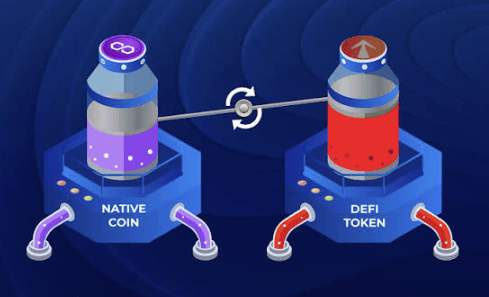
DeFi liquidity pools are decentralized collections of funds supplied by users to enable on-chain trading, lending, and other financial activities without relying on traditional market makers.
They enable liquidity mining incentives and enable governance tokens to align participant interests with protocol decisions.
These mechanisms reduce counterparty risk, improve capital efficiency, and support open financial experimentation while requiring transparent rules, auditable metrics, and risk disclosures.
How Liquidity Pools Work in Practice (AMMs, Constant Product, Fees)
How do liquidity pools translate into on-chain trading mechanics? Automated Market Makers implement constant product formulas, preserving x*y=k and adjusting prices with trades. Fees incentivize liquidity, while impermanent loss highlights volatility. Mispriced arbitrage opportunities arise as external prices diverge, guiding balance adjustments. Governance tokens influence parameter changes; still, core mechanics remain: liquidity provision, slippage control, and transparent, on-chain settlement.
Benefits, Risks, and Tradeoffs of Providing Liquidity
Liquidity provision offers a structured set of benefits, risks, and tradeoffs that shape decision-making for participants. The analysis notes liquidity risks and impermanent loss as core exposure, while fees and routing influence net returns. Liquidity incentives and governance tokens affect participation, whereas farm strategies and risk controls determine risk-adjusted outcomes, guiding disciplined, freedom-aware decision-making without overreach.
See also: Emerging Trends in Workforce Technology
How to Evaluate, Choose, and Start Safely With Liquidity Pools
To evaluate, choose, and start safely with liquidity pools, prospective participants should establish a clear framework that weighs likely returns, risk exposure, and operational safeguards.
The evaluation should quantify impermanent loss, protocol risk, and fees, then align with risk management practices, including diversification and position sizing.
Consider regulatory implications, verifiable audits, and transparent governance to support informed, freedom-preserving participation.
Conclusion
Liquidity pools act as shared reservoirs where funds are pooled to facilitate on-chain trades, lending, and yield mechanisms. Through automated market maker formulas, assets are continuously swapped, earning fees that incentivize participation. While they enable decentralized exchange and liquidity provisioning, they introduce impermanent loss, protocol risk, and governance considerations. Evaluating pools requires assessing volatility, token risk, fees, and audits. With careful due diligence and risk-aware staking, participants can contribute meaningfully while preserving capital in a transparent, verifiable system.