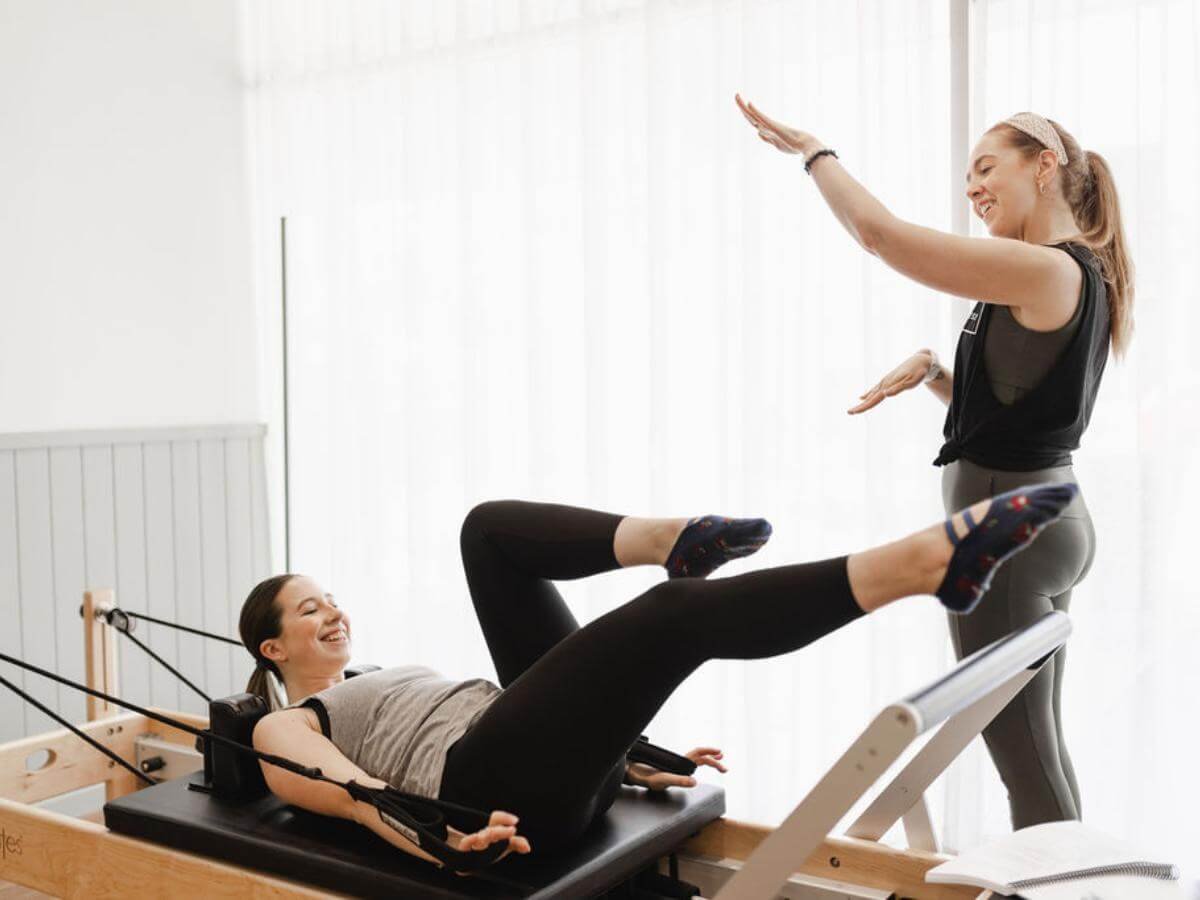

Pilates is practised in studios, fitness centres and private settings around the world. Its focus on controlled movement, coordination and body awareness attracts people with different levels of fitness experience. For those who enjoy the method, teaching can become a way to share movement knowledge while developing a professional career.
However, becoming a capable instructor involves more than personal enthusiasm. It requires structured learning, practical teaching experience and an understanding of how to work responsibly with different participants.
From Personal Practice to Professional Teaching
Regular practice can help someone become familiar with Pilates exercises and principles. Teaching introduces a different set of responsibilities.
An instructor needs to explain movements, observe participants, organise class sequences and provide appropriate modifications. They must also recognise when an exercise is unsuitable or when a participant should seek professional advice.
This shift from practising to teaching is one reason structured education is important.
Learning the Principles of Pilates
Pilates classes commonly emphasise controlled movement, breathing, alignment, concentration and coordination. These principles influence how exercises are taught and how participants engage with them.
Training may cover mat exercises, equipment-based work and the relationship between different movement patterns. Students should learn not only how to perform exercises but also how to explain their purpose and adjust them when needed.
Understanding the method helps instructors avoid treating a class as a simple list of movements.
Exploring Teacher Education in Jakarta
People researching pilates teacher training jakarta should compare programme details before making a commitment.
Location is only one factor. The curriculum, teaching hours, practical assessments and trainer experience can have a greater influence on the quality of the learning experience.
Before enrolling, ask the provider about:
- Entry requirements and recommended experience.
- Course modules and learning outcomes.
- Mat and apparatus training.
- Practical teaching opportunities.
- Assessment and completion standards.
- Course dates and attendance expectations.
- Any additional costs for materials or examinations.
Clear answers can help applicants understand what the programme involves.
Anatomy and Movement Awareness
A responsible instructor needs a working understanding of human movement. Training may introduce the spine, pelvis, joints, major muscle groups and basic biomechanics.
This knowledge helps instructors understand how exercises affect the body and why certain adjustments may be useful. It can also support clearer communication when explaining alignment and movement control.
Instructors should avoid making medical diagnoses or promising that exercises will cure health conditions. When a participant reports pain or a medical concern, referral to an appropriate healthcare professional may be necessary.
Developing the Ability to Teach
Teaching requires communication as well as technical knowledge. A good instructor should be able to explain movements clearly, demonstrate exercises and observe how participants respond.
Cueing can involve verbal instructions, visual demonstrations and carefully selected corrections. The approach should respect each participant’s comfort and consent.
Class planning is another important skill. Instructors need to consider the experience level of the group, the available equipment, the session’s purpose and the time available.
Building Confidence Through Practice
Practical teaching sessions allow trainees to apply what they have learned. They may practise giving instructions, organising transitions and adapting exercises under the guidance of experienced educators.
Constructive feedback can highlight areas for improvement, including pacing, clarity and observation skills.
New instructors should continue developing their experience gradually. Teaching within one’s competence is more responsible than attempting advanced exercises or modifications without sufficient preparation.
Professional Responsibilities
A teaching career includes responsibilities beyond delivering classes. Instructors may need to understand studio procedures, participant records, health questionnaires, emergency arrangements and professional insurance.
They should also respect privacy and maintain appropriate boundaries. If a studio has specific policies for equipment use, cleaning or participant safety, instructors should follow them consistently.
Continuing education can help teachers stay engaged with new teaching approaches and strengthen their professional knowledge.
Frequently Asked Questions
1. Is personal Pilates practice enough to become an instructor?
Personal practice is valuable, but professional teaching requires additional education in movement principles, anatomy, communication and practical instruction.
2. What should I compare when selecting a training course?
Review the curriculum, entry requirements, practical teaching hours, assessment process, equipment coverage and recognition of the qualification.
3. How can new instructors gain experience?
They can seek supervised practice, observe experienced teachers, assist classes where permitted and continue developing their skills through feedback and education.
Conclusion
A career in Pilates education requires a combination of personal understanding, structured training and responsible teaching practice. Comparing course content, gaining practical experience and developing movement knowledge can help aspiring instructors prepare for professional responsibilities. Continued learning remains important as their teaching experience grows.