
You buy a product that worked last year, then you notice scratching, a tick after a walk, or flea dirt in your dog’s coat, and suddenly you are second guessing everything. That stress is real. Parasites are not just a nuisance. They can lead to skin infections, tapeworms, allergic reactions, and diseases carried by ticks and fleas. If you are wondering whether it is time to change your dog’s routine, the short answer is yes if your dog’s risk, age, health, environment, or response to the current product has changed. For guidance tailored to your pet, Malvern cat veterinary services can also help you think through parasite prevention and overall household pet health.
Most owners are not dealing with one simple choice. You may be comparing a chew to a topical, trying to protect more than one pet, or realizing your dog now hikes, goes to daycare, or spends more time in the yard than before. Dog flea and tick prevention needs to match your dog’s real life, not just the label that looked familiar on the shelf.
Changes in your dog’s life often mean flea and tick protection should change too
A protection plan that made sense for a young indoor dog may not fit an older dog with skin problems, a puppy with new weight changes, or a dog that now visits wooded trails every weekend. That is one of the biggest reasons owners get caught off guard. The product did not always fail. The situation changed.
If your dog is itching more, bringing ticks home, or living with cats, children, or other pets that share bedding and furniture, your margin for error gets smaller. Missing doses, bathing too soon after a topical, or splitting products between pets can also weaken protection. The EPA’s guidance on controlling fleas and ticks on your pet breaks down why correct use matters so much.
One common question is whether you really need year round coverage. In many areas, yes. Fleas can survive indoors, and ticks can stay active during mild winters. The CDC’s advice for preventing ticks on pets supports routine prevention, regular tick checks, and asking your veterinarian which products fit your dog’s risk level.
Five questions help you decide if your dog needs updated parasite prevention
The first question is simple. Is your current product still working in your dog’s day to day life? If you are seeing fleas, finding attached ticks, or noticing scratching between doses, that is a sign to review the plan. Sometimes the answer is better timing. Sometimes the answer is a different product class.
The second question is whether your dog’s health has changed. Puppies, seniors, pregnant dogs, dogs with seizure history, and dogs with skin disease may need a different option. This is where a flea and tick protection update for dogs should be guided by a general veterinarian, not guesswork online.
The third question is whether your dog’s environment has changed. A move, travel, boarding, dog parks, wildlife in the yard, and warmer weather all raise exposure. You may not notice the shift right away, but parasites will.
The fourth question is whether every pet in the home is covered. One untreated pet can keep the cycle going. Fleas do not stay politely on one animal. The CDC’s flea prevention recommendations explain why treatment often has to include the home environment as well as the pet.
The fifth question is whether you are choosing based on convenience or fit. A monthly chew is easy for one dog and impossible for another. A topical may work well unless your dog swims often or has skin reactions. The best plan is the one you will use correctly and consistently.
Comparing common ways to update flea and tick prevention
| Option | Best Fit | Possible Drawbacks | What to Ask Your Veterinarian |
|---|---|---|---|
| Oral chew | Dogs that tolerate medication well and need simple monthly dosing | Not ideal for every dog, especially with certain health histories | Is this safe with my dog’s age, weight, and medical conditions? |
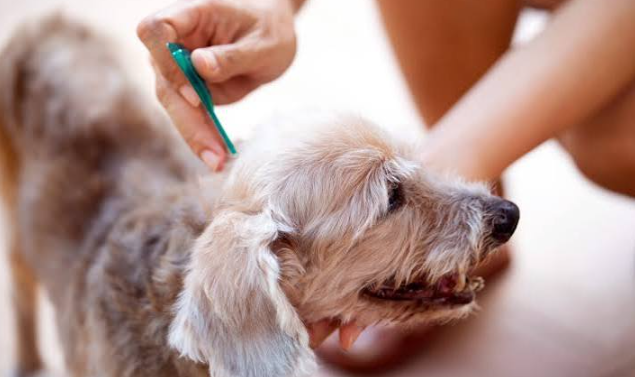
| Topical treatment | Dogs that cannot take oral products | Can rub off if applied wrong, may irritate skin, less practical with frequent bathing | How long after bathing should I apply it? |
| Tick collar | Dogs needing long lasting coverage with low maintenance | Fit and contact matter, not right for every household or pet | Is this collar appropriate around children and other pets? |
| Home and yard treatment plus pet treatment | Homes dealing with active flea infestations | More steps, added cost, easy to do halfway and get poor results | Do I need to treat bedding, carpets, or the yard too? |
This is where updating your dog’s flea and tick protection becomes practical instead of overwhelming. You are not looking for the most popular option. You are looking for the option that fits your dog’s body, habits, and exposure.
Three steps you can take right now
1. Review what has changed. Write down your dog’s age, weight, health conditions, travel, outdoor habits, grooming routine, and any breakthrough fleas or ticks you have seen. Patterns show up fast when you put them on paper.
2. Check the product details you may have overlooked. Confirm the dose matches your dog’s current weight. Look at the timing of the last dose. Check whether bathing, swimming, or missed doses could be reducing protection. If you are using a product meant for another species or weight range, stop and call a veterinary clinic.
3. Book a general veterinarian visit for a prevention review. Bring the package or a photo of the product label. Ask whether your dog needs a different form of prevention, year round coverage, or treatment for the home as well. This is the fastest way to stop wasting money on a plan that no longer fits.
Better flea and tick control starts with a plan that matches your dog
You are not overreacting by revisiting parasite prevention. Dogs change, seasons change, and exposure changes with them. A routine that once worked can become the weak spot without much warning. The good news is that a few smart updates can make your dog more comfortable and lower the risk of bigger health problems.
If your dog’s current routine is not giving you confidence, schedule a visit with a general veterinarian and get clear guidance on the next step. The right plan should feel manageable, make sense for your dog’s life, and help you stop guessing.