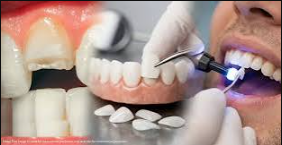

You notice when a tooth looks a little too short, a little too wide, or slightly out of place, even if you cannot explain why. That reaction is common, and a dentist in Castle Hills Forest can help evaluate those subtle differences. Teeth do not need to be perfect to look healthy, but they do need balance. When the size and shape of one tooth no longer fit the rest of your smile, the problem can affect more than appearance. It can change how you bite, how dental work wears over time, and how confident you feel when you speak or laugh.
Why tooth proportions matter in both restorative and cosmetic dentistry comes down to function and harmony. A crown that is too bulky can throw off your bite. Veneers that look bright but oversized can draw attention for the wrong reason. A front tooth repaired after trauma needs to match the neighboring teeth in width, length, and contour or the result can feel “off” every time you see it. Good dentistry is not only about fixing damage. It is also about preserving the natural relationship between teeth, gums, lips, and bite forces.
Tooth proportions shape both appearance and bite function
Most people first think about proportions when they are unhappy with how their smile looks. One central incisor may appear longer than the other. A chipped edge may make one tooth look square while the next looks rounded. Spacing, wear, grinding, and old dental work can all change these relationships. You may have already had one restoration done and still feel disappointed, not because the work failed, but because the tooth does not blend in.
That feeling usually has a real cause. Teeth are designed to work together as a set. Front teeth guide certain movements. Back teeth absorb heavier chewing forces. If one restoration changes shape too much, the bite can shift. That may lead to uneven wear, soreness, or repeated chipping. In restorative and cosmetic dentistry, proportion is not a cosmetic extra. It is part of long term stability.
Dental research and clinical planning often rely on measurable relationships between tooth width, length, and visible display. This is one reason smile design is more than guesswork. Studies on esthetic dental proportions help explain why certain tooth shapes look natural and why others do not. You can see that thinking reflected in this review of dental esthetic proportions and smile analysis, which outlines how clinicians evaluate visible balance rather than treating each tooth in isolation.
See also: Managing Dental Care During Major Family Life Changes
Restorations fail more often when proportions are ignored
A filling or crown can look acceptable on its own and still create trouble in daily life. If a molar is restored too high, you may clench on it first every time you bite. If a front crown is too long, it can hit before the neighboring teeth and place stress on the root or the porcelain. If veneers are too thick, speech can change and lip posture can feel different. Small design errors become big annoyances because you use your teeth all day.
The materials matter too. Modern ceramics, composites, and bonding systems can be strong and lifelike, but each material has limits. The shape placed on top of that material has to respect those limits or the restoration may fracture, wear unevenly, or debond. The NIDCR overview of dental materials explains why material selection and clinical design work together. Strength is not only about what a restoration is made of. It is also about how it is shaped and where forces land.
This is why cosmetic work and restorative work overlap so often. A person may come in wanting a better looking smile, but the deeper issue is worn edges from grinding. Another person may need a crown after decay, yet the real challenge is making that crown fit a smile line and bite pattern that still feels natural. tooth size and shape in dentistry affects both outcomes.
Proportion decisions influence treatment planning and long term maintenance
When dentists plan crowns, veneers, bridges, or full mouth rehabilitation, they do not only think about color. They evaluate occlusion, tooth display at rest, gum levels, spacing, and how the teeth should contact during movement. Advanced prosthodontic training reflects that standard. The ADA CODA prosthodontic standards show how much emphasis is placed on function, esthetics, and complex rehabilitation planning.
There is also a practical side patients rarely see. Treatment records, design choices, and the procedures used have to match the work being performed. Documentation and coding matter because they support communication, insurance claims when applicable, and continuity of care. The ADA guidance on CDT coding education reflects how specific dental procedures are defined and reported, which becomes relevant when treatment moves from a simple filling to esthetic contouring, crowns, or multi step restorative care.
Balanced tooth proportions lead to different outcomes than oversized or undersized restorations
| Clinical factor | Balanced proportions | Poor proportions |
|---|---|---|
| Smile appearance | Teeth blend naturally in shape, width, and length | One or more teeth stand out as too large, short, flat, or narrow |
| Bite comfort | Contacts are shared more evenly across the bite | Premature contact can cause soreness, clenching, or uneven pressure |
| Speech | Front teeth support normal sound formation | Bulky or overlength restorations may affect certain sounds |
| Restoration longevity | Forces are distributed more predictably | Chipping, wear, or loosening becomes more likely |
| Patient confidence | Smile looks like it belongs to the face | Dental work may look artificial even when technically sound |
Clear next steps help you avoid costly rework
1. Ask for a proportion based evaluation. If you are considering veneers, crowns, bonding, or replacing old dental work, ask how the size and shape of each tooth will be planned. Photos, mockups, and bite analysis can reveal problems before treatment begins.
2. Bring up any history of grinding, chipping, or bite discomfort. Those details matter. A tooth that keeps breaking may not need a stronger material alone. It may need a different contour or better force distribution.
3. Look beyond shade matching. Color gets most of the attention, but length, width, edge position, and symmetry often matter more. In cosmetic and restorative dental care, the best result usually feels unremarkable in the best way. Your teeth look like your teeth, only healthier and more balanced.
If your smile has started to feel uneven, worn, or harder to trust, that concern makes sense. Small changes in proportion can affect comfort, appearance, and the life of your dental work. The right plan respects both beauty and function, so you do not have to choose between them. If you are exploring general, cosmetic, and restorative dentistry, schedule a consultation and ask for a careful evaluation of tooth proportions before moving forward.