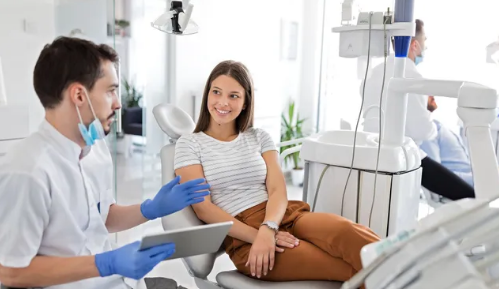

You get your braces or aligners, adjust your routine, and try to stay patient. Then life gets busy. A school event runs late, work stacks up, or you feel fine and assume one missed visit will not matter. That is usually how treatment starts drifting off track. Regular orthodontic checkups are not extra appointments added for show. They are the visits that keep your teeth moving the right way, catch problems early, and help you avoid delays that cost time and money. This is especially true for patients considering clear aligners for crooked teeth Bellevue.
Orthodontic treatment works in small, controlled steps. Teeth do not shift on a perfect schedule just because you are wearing braces or aligners. They respond to pressure, habits, oral hygiene, and the way your body heals. Follow up visits give your orthodontist a chance to make sure all of that is lining up as planned. If you have ever wondered whether these visits really matter, the short answer is yes. They protect your progress.
Regular Follow Ups Keep Tooth Movement Safe and Precise
Orthodontic care is not just about making teeth look straighter. It is about moving them in a way that protects roots, gums, and bite alignment. According to MedlinePlus information on orthodontia, orthodontic treatment helps correct problems with tooth position and jaw alignment, but it needs proper supervision. That supervision happens during follow ups.
If a wire is applying too much force, if an aligner is not fitting fully, or if a bracket has loosened without you noticing, your treatment can start moving in the wrong direction. You may not feel a major change right away. That is part of the problem. Small issues stay small only when someone catches them early. Left alone, they can lead to soreness, uneven movement, or a bite that takes longer to correct.
This is one of the clearest benefits of follow up visits during orthodontic treatment. Your orthodontist is not only checking whether your teeth are moving. They are checking how they are moving.
Follow Up Visits Help Prevent Delays That Stretch Out Treatment
Most people want one thing from orthodontic treatment besides a better smile. They want it finished on time. Missed visits often get in the way of that. Braces need adjustments. Aligners need monitoring. Rubber bands only help if they are working with the rest of your treatment plan.
You might think missing one appointment is harmless, especially if nothing feels wrong. Then a broken bracket sits there for three weeks. An aligner stops tracking well. Plaque builds up around a hard to clean area. Those weeks add up, and treatment that should have stayed on course starts taking longer than expected.
That delay can be frustrating because it often feels avoidable once you see it clearly. A quick check could have fixed the issue early. Orthodontic follow up appointments keep treatment active instead of stalled.
Regular Orthodontic Checkups Support Better Oral Health
Straighter teeth are easier to clean, but getting there can make daily care harder for a while. Food gets trapped. Brackets create hiding spots for plaque. Aligners can hold bacteria against teeth if they are not cleaned well. The National Institutes of Health offers a broad overview of oral and dental health that reinforces how closely daily care and professional monitoring work together.
During follow ups, your orthodontist can spot early signs of gum irritation, enamel wear, or hygiene problems before they become bigger issues. This matters more than many people realize. If gums become inflamed or teeth develop white spots from plaque buildup, the cosmetic result you were hoping for can suffer even if the teeth end up straight.
These visits also give you a chance to ask the questions people often put off. Is this soreness normal? Why is one tooth moving faster than another? Why do my trays feel loose by day three? Small answers can improve your routine right away.
Follow Ups Reduce the Risk of Painful or Costly Problems
Orthodontic appliances take wear every day. Wires can shift. Brackets can break. Retainer fit can change. A minor issue can turn into an urgent one when it goes unchecked. Mouth irritation, unexpected pain, or movement that needs correction later may lead to more visits and more expense.
There is also the issue of injury and infection. Mouth sores may seem minor, but broken appliances can create sharp edges, and poor oral hygiene can increase the risk of gum problems or even an oral infection. Follow ups lower the chance that you will end up dealing with something more painful than the original adjustment would have been.
That is the quiet value of routine care. It often prevents the problems you never want to have in the first place.
Regular Monitoring Helps Your Final Results Last
The goal is not just to finish treatment. The goal is to finish well. A good bite, stable alignment, and healthy gums all matter. Follow up care gives your orthodontist the chance to refine details near the end of treatment, when the biggest changes are already visible but the smaller corrections still matter.
This is where people sometimes get impatient. Teeth look better, so it is tempting to assume the hard part is over. Yet the final stage often determines how balanced your bite feels and how stable your result will be after braces or aligners come off. Precision at the end can save you from relapse or extra correction later.
| With Regular Follow Ups | With Missed or Delayed Follow Ups |
|---|---|
| Tooth movement is checked and adjusted on schedule | Teeth may move unevenly or more slowly |
| Broken brackets or poor tray fit are caught early | Small appliance issues may lead to treatment delays |
| Gum irritation and hygiene problems are addressed quickly | Plaque buildup and enamel damage may worsen |
| Treatment timing stays closer to plan | More visits or longer treatment may be needed later |
| Final bite and alignment get fine tuned | Results may need more correction or relapse management |
Small Actions Make Orthodontic Care Easier to Manage
Keep every scheduled visit on your calendar. If you need to reschedule, do it as soon as possible instead of waiting until the next open month. A shorter delay usually means a smaller setback.
Track changes between appointments. Take note of pain that feels unusual, loose brackets, trays that stop fitting well, or areas that are hard to clean. Bring those details to your visit. Specific information helps your orthodontist fix problems faster.
Protect the work happening between visits. Wear aligners and elastics exactly as directed, clean carefully around appliances, and avoid foods or habits that damage braces. The best appointment in the world cannot make up for daily wear that is not being supported at home.
Steady Follow Up Care Protects Your Time, Comfort, and Results
Orthodontic treatment asks a lot from you. Time, money, patience, and daily effort all go into it. Regular follow ups make that effort count. They keep movement safe, reduce delays, support oral health, and help your final result last. If you are in treatment now, staying consistent with your orthodontist is one of the simplest ways to protect the progress you have already made.
Keep your next appointment, speak up about changes you have noticed, and stay engaged with your care plan. That consistency is often what turns a long process into a result that feels worth it.